
50 years ago, on 30 March 1976, six Palestinians were shot dead by Israeli forces as they protested the seizure of thousands of dunums of land in the Galilee. They had gone out to defend something Palestinians have always understood in their bones: that land is not just territory. It is identity, livelihood, memory, and the future.
Palestinians mark it every year. But this year, Land Day arrives with a particular weight. A month ago, the region shifted again with the launch of airstrikes on Iran.
Eid al-Fitr, the celebration at the end of Ramadan, is normally marked by visits to family, to the graves of loved ones, by gatherings, food, and celebration. This year, for many, it became a time of mourning.
As Israel intercepts incoming Iranian missiles, debris rains down on Palestinian communities below. Palestinian towns have no sirens, no shelters, no Iron Dome. By late March, nearly 200 incidents of falling missile debris had been recorded across the West Bank, according to the United Nations Office for the Coordination of Humanitarian Affairs. People have been injured in their homes, in their cars, in their fields. Just outside Hebron, three women were killed in a single such incident on the evening before Eid al-Fitr.
Those who stayed home described a strange suspension of ordinary life: plans cancelled, movement curtailed, gatherings reduced or moved online. It may sound faintly familiar. But this is not a shared global pause like Covid. It is a system of restrictions imposed on daily life, where movement is both limited and unsafe. Alongside this, shortages of fuel are further constraining daily life, affecting everything from transport and farming to electricity and essential services.
And just days ago, the Israeli Knesset passed a law expanding the use of the death penalty – a move condemned by international bodies as discriminatory and in violation of international law, and one that risks further entrenching a system widely described by rights groups as apartheid.
At the same time, settler violence has intensified markedly. Homes have been attacked, vehicles burned, olive groves damaged or destroyed. In some areas, entire communities are under increasing pressure to leave. The scale and pattern of these attacks have been so severe that one Israeli commentator, writing in Haaretz, has described them as resembling a “pogrom”.
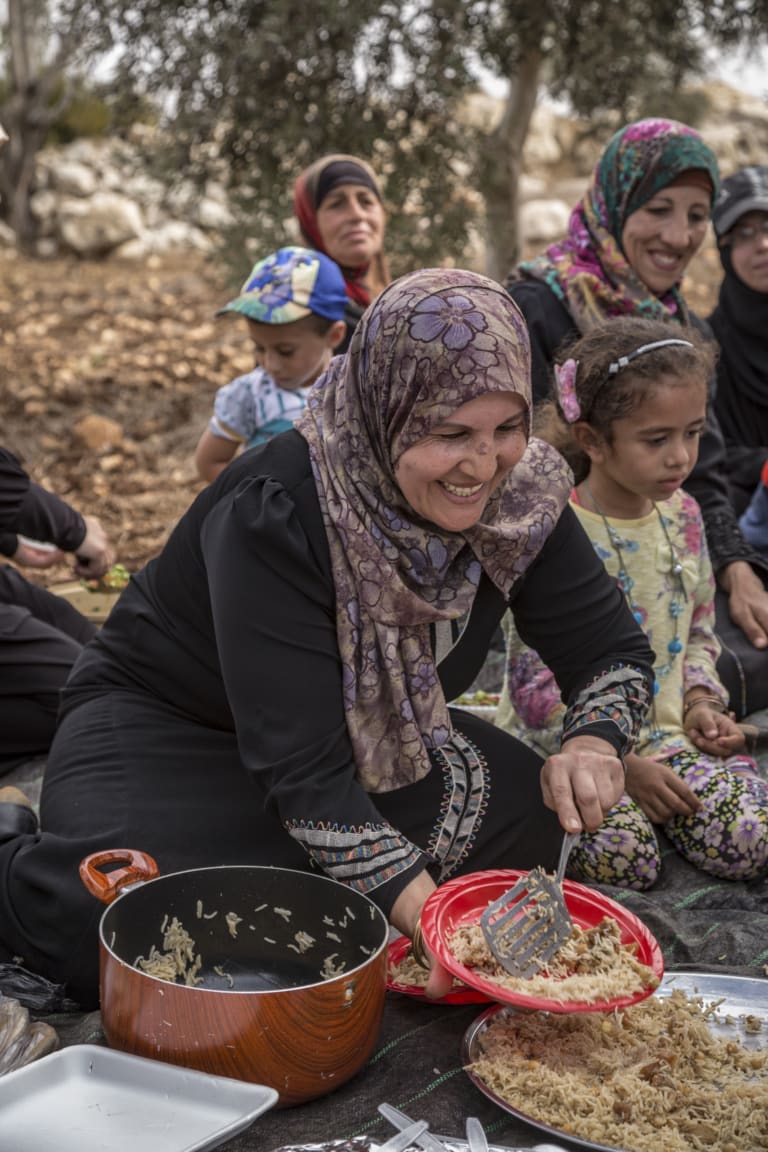
Land Day has become synonymous with steadfastness – sumud. The act of staying, of keeping the land alive when so much around you is designed to make you leave.
More from Zaytoun