There’s a Palestinian saying that goes:
القمح والزيت عمار البيت
Roughly translated, it means “a home flourishes on wheat and olive oil.” Better still, in Arabic, it rhymes.
There’s something wonderfully simple about that saying. It reminds us that, for generations of Palestinians, prosperity wasn’t measured in luxury. It was knowing there was wheat in the store and olive oil in the jar.
Olive oil may be the ingredient most closely associated with Palestine today, but wheat has an equally rich story to tell.
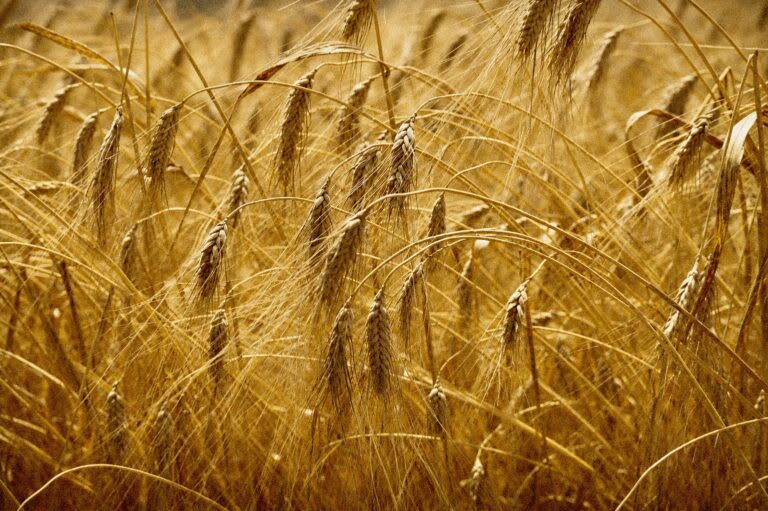
That story begins thousands of years ago. The land that is now Palestine formed part of the Fertile Crescent, one of the world’s earliest centres of agriculture, where wild wheat was first domesticated and farming began to transform human life. More than 10,000 years later, one of the world’s oldest cultivated crops is still grown in the same landscape and remains at the heart of Palestinian cooking.
Imagine a Palestinian kitchen a century ago. Great clay jars of olive oil from the family’s trees, jars of za’atar, dried mint and maramiyeh (dried sage) on the shelf, and large sacks of wheat in the corner.
While bread is a beloved staple, in Palestine wheat has always been so much more than that. It wasn’t simply something people ate. It shaped the farming year, the family table and some of Palestine’s best-loved dishes.
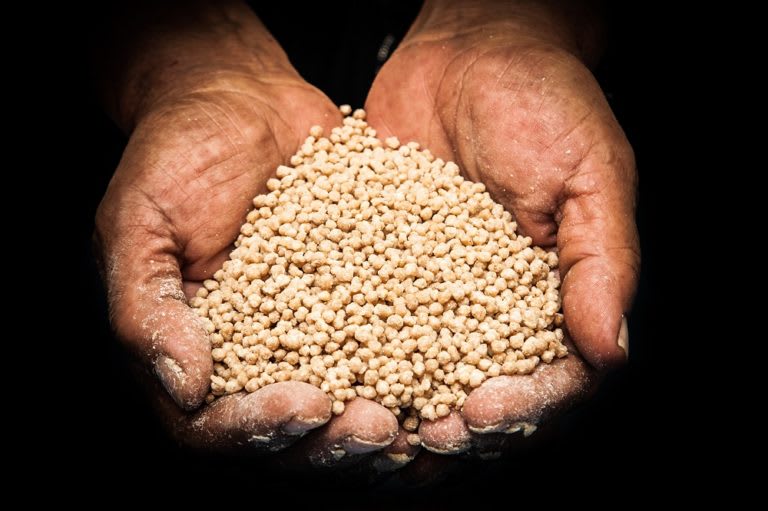
It became bulgur, made by parboiling, drying and cracking whole grains. It became freekeh, harvested while still green and roasted over an open fire to give it its distinctive smoky flavour. It became maftoul, patiently hand-rolled by women using skills passed down through generations. The wheat behind both freekeh and maftoul is a landrace variety – a traditional local wheat kept going by farmers saving and replanting their own heritage seeds, generation after generation.
Simple dishes such as mujaddara were commonly made with bulgur rather than rice, and vegetables were often stuffed with bulgur too. It was nourishing, versatile, economical and deeply woven into everyday life – so much so that when families made maftoul, Palestine’s hand-rolled giant couscous, they rolled it around the very grain their kitchens were built on. Where most couscous is semolina-based, the best Palestinian maftoul still has a grain of bulgur at its heart.
Like every cuisine, Palestinian food has evolved over time. Sometimes because tastes changed, and sometimes because history left people with little choice.
After the Nakba in 1948, many Palestinians were displaced from the land that had sustained them. Cut off from fields they had farmed for generations, families increasingly depended on whatever food was available to them, and recipes adapted around it. Rice gradually became more common in dishes that had traditionally relied on bulgur. Over time, rice came to dominate many of those everyday recipes.
Palestinians even captured this change in a wonderfully vivid proverb:
العز للرز والبرغل شنق حاله
The literal translation is darker than the affection behind it – word for word, it has bulgur hanging itself. Something like “all the glory went to rice, while bulgur was left to sulk” catches the spirit better. A fond, teasing way of describing how the everyday grain fell out of fashion.
Thankfully, that isn’t the end of the story.
Today, traditional grains are enjoying something of a renaissance. Chefs value them for their texture and depth of flavour. Home cooks are rediscovering how versatile they are. Others are drawn to their nutritional qualities, while many simply enjoy reconnecting with the culinary traditions they represent.
That’s what you taste in a good maftoul. Unlike cheaper versions made only from semolina, traditional Palestinian maftoul is patiently rolled around a grain of bulgur. As a whole grain, bulgur retains the fibre and character of the wheat kernel, lending the finished dish a nuttier flavour and more satisfying texture. It’s a small difference, but one that speaks to centuries of culinary tradition.
At Zaytoun, we’re proud to work with Palestinian farmers and producers who keep these traditions alive. Every bag of freekeh and maftoul carries not only exceptional food, but generations of knowledge, craftsmanship and resilience.
The grain that built the Palestinian kitchen is still here. Still grown. Still rolled by hand. Still shared around family tables. Today, it’s being rediscovered by a new generation of cooks who appreciate its flavour, nutritional qualities and the heritage it represents. And, just as it has for thousands of years, it continues to help homes flourish.
Other posts you’ll love